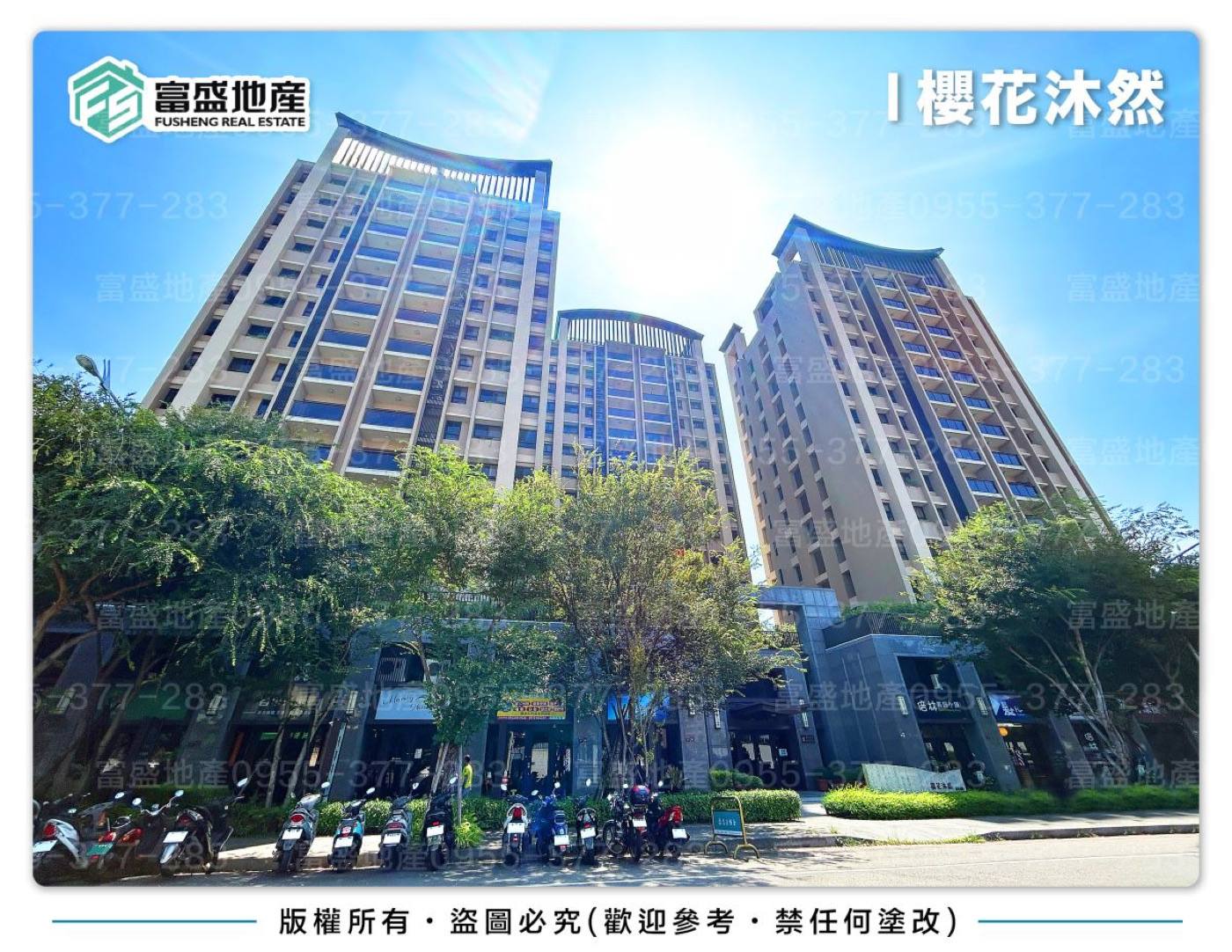
Letting a property to a company, as an office or a staff dormitory, often brings higher rent than letting to an individual. It also brings more tax traps. House tax can jump from 1.2% to 3%, the company withholds 10% income tax from the rent, and payments of NT$20,000 or more attract a further 2.11% second-generation National Health Insurance premium. Landlords who do not run the numbers before signing get a shock at filing time.
This guide sets out the four traps a landlord is most likely to hit when the tenant is a legal entity, and the contract terms that protect you. For the wider comparison of letting modes, see the landlord tax comparison.
Three key numbers
- House tax for business use: 3%, a fixed rate in Taichung City, against 1.2% for owner-occupied.
- Income tax withheld on rent: 10%, deducted by the company when it pays.
- Second-generation NHI threshold: NT$20,000 per payment; at or above it, a further 2.11% supplementary premium is deducted.
These follow the Taichung City house tax rate ordinance, the Income Tax Act (所得稅法) and the National Health Insurance Act (健保法), updated July 2026.
Trap 1: house tax may jump from 1.2% to 3%
Our answer: once the property is actually used for a company’s business, whether as an office, meeting room, warehouse or staff workplace, house tax is charged at the business-use rate, which in Taichung is a fixed 3%, not the owner-occupier 1.2%. Even if the company has not registered its business address there, actual business use is enough. Many landlords assume “no registered address, no problem”. That is wrong.
| Use of the property | House tax rate |
|---|---|
| Single owner-occupied home nationwide | 1% |
| Owner-occupied, or let by a public-interest landlord | 1.2% |
| Non-owner-occupied residential (banded by homes held nationwide) | 1.5% to 4.8% |
| Business use, private hospital, clinic or professional office | 3% |
Rates per the Taichung City house tax rate ordinance.
Our view: If only part of the property is used by the company, for example one floor as office and storage while other floors remain residential, you can apply to the local tax bureau to be taxed by actual floor area, but the non-residential portion cannot be less than one sixth of the total area. Report the change within 30 days of the change in use to avoid a retrospective charge.
Trap 2: the company withholds 10% before paying you
When the tenant is a company, it withholds 10% income tax on each rent payment, so the landlord receives the net amount. After year end the landlord files a comprehensive income tax return and the difference is refunded or paid. The company issues a withholding statement (扣繳憑單); check it against your records when filing.
To arrive at net rental income you can choose one of two methods: deduct a flat 43% standard expense allowance with no receipts required (rent × 57% is the amount added to your income), or itemise actual costs such as mortgage interest, house tax, land value tax, repairs and insurance, keeping receipts. For a newer property with high mortgage interest, itemising usually saves more.
Our view: Agree with the company at signing whether the rent is inclusive or exclusive of tax, so there is no later argument about who bears the withheld amount. The interactive withholding calculator, which works the gross-up both ways, is on our Chinese page (https://www.fshouse.com.tw/page/about/index.aspx?kind=393).
Trap 3: the second-generation NHI supplementary premium
Whenever a single rent payment is NT$20,000 or more, the company deducts a 2.11% second-generation National Health Insurance supplementary premium in addition to the 10% income tax. The two are calculated and deducted separately. Below NT$20,000, neither is deducted, but the company must still file a non-withholding statement with the tax office by the end of January the following year.
| Single rent payment | 10% income tax withholding | 2.11% NHI premium |
|---|---|---|
| Below NT$20,000 | Not withheld (still reported) | Not deducted |
| NT$20,000 or more | Withheld | Deducted |
The 2.11% rate carries over into ROC year 115 (2026).
Our view: Rent under NT$20,000 a month avoids the premium, but it also means a low rent. Most office and dormitory lettings are above NT$20,000, so build the premium into your pricing rather than discovering after signing that the net rent is lower than you thought.
Trap 4: losing owner-occupier relief when you sell
If you plan to sell the property later, letting it to a company affects whether you can use the self-use residential rates for land value increment tax (土地增值稅) and the house and land transactions income tax (房地合一稅). Those rates require the owner or family to actually live there, with no letting or business use. A company office or dormitory clearly fails that test, so the lower rates will not be available at sale. See selling taxes and net proceeds and self-use exemption.
In addition, if the company moves its registered business address to your property, you will be asked to sign a consent letter. Write into the lease that at expiry or early termination the company must move its registration out, so it is not left on your address after the tenancy ends and does not create audit complications.
Our view: For a property with a sale planned in the near term, we always advise estimating the value of the lost self-use relief before deciding to let to a company. The extra rent does not always make up for the tax saved under the self-use rates.
For foreign nationals: The 1.2% owner-occupier house tax rate and the self-use rates at sale generally require household registration (戶籍) by the owner or family, which a foreign owner will not usually have. For a foreign owner, Trap 4 is less of a change than it is for a citizen, but the 3% business-use rate, the 10% withholding and the 2.11% premium apply in full. Ask us through our contact page for the net figure.
Contract reminder: make the company’s principal a joint guarantor
When letting to a company, ask its responsible person to sign personally as joint and several guarantor (連帶保證人). If the company closes or is dissolved, you still have someone liable for unpaid rent and damage. The lease should also state whether rent is inclusive of tax and the NHI premium, the company’s duty to notify you if it ceases trading or dissolves, and the scope of its obligation to restore the property. Notarising the lease with an enforcement clause adds a further layer; see lease notarisation.
FAQ
The company has not registered its business at my address. Is house tax still 3%?
Yes. House tax follows actual use. If the property is in fact used for the company’s business, the 3% rate applies even without business registration, and even if the business has ceased but no change of use was filed.
The rent payment is below NT$20,000. Is anything withheld?
No. Both the 10% income tax withholding and the 2.11% NHI premium start only when a single payment reaches NT$20,000. Below that, the company still files a non-withholding statement.
Will letting to a company affect owner-occupier relief when I sell?
Yes. The self-use land rates require no letting and no business use. A company office or dormitory fails that requirement, so the relief is unavailable at sale.
How can I deduct expenses from the rental income?
Choose one: the flat 43% standard allowance with no receipts, or itemised actual costs (mortgage interest, house tax, land value tax, repairs and so on) with receipts. High mortgage interest usually favours itemising.
Part of the building is my home and part is let to the company. How is house tax charged?
Apply to the local tax bureau to be taxed by actual area at the residential and non-residential rates. The non-residential portion cannot be less than one sixth of the total, and the change must be reported within 30 days of the change in use.
Conclusion
Company rent is usually higher, but 3% house tax, 10% withholding, the 2.11% NHI premium and the loss of self-use relief must all be counted before you can see the real net return. Send us the proposed terms through our contact page and we can work out the actual tax and net rent for you.